 |
| I'm a white meat eater. You? |
As you read, note that a lot of people in our world are eating none of the items pictured here on this Thanksgiving Day, November 22, 2012. And note that the foods are in order leading off with my favorite and working my way down (through the heaped plate).
The car pulled up to the yellow line, engine rattling, blue exhaust puffing out of the tailpipe. The trunk is open, grubby but empty. In the driver's seat is an unshaven man with a cigarette in the hand that holds the steering wheel, belly peaking out of his 'Dew t-shirt. An old woman, at least 80, sits in the passenger seat. From her eyes you can tell that she cannot see. She is slouched in every regard--sagging shoulders, vacant face, uncombed gray hair, misbuttoned shirt--except for the hand that tensely holds her cigarette. Life for them has been tougher than I can imagine. Behind them, a line of cars stretches beyond my field of vision, snaking around many block of our tiny village.
 |
Don't give me that jello-type stuff--I want
some crunch and snap in my cranberry
relish. And, Craig Graybill makes the
best relish--please UPS me some. |
They (mother and son? neighbors?) are actually in a pretty good mood. They are in line for the drive-through food distribution at the local food pantry. They are about to get food, including their very own turkey. And they are in a good mood because the food pantry has a policy of treating each client as a valued customer, a welcome visitor, someone special. This is a special place on a special day; the food pantry on the Tuesday before Thanksgiving. Their yawning trunk will runneth over.
I worked the Thanksgiving distribution this year. I was passing out flyers for a jobs and education program for young adults in the community. I was going to stay for an hour...but it stretched into two and then two and a half hours. It became my privilege to greet and talk with the people in every car. As the director of an agency that invests in this food pantry (United Way of Vinton County), I was especially interested in meeting the recipients of the food. Who were these people? Were they gaming the system? Did they look needy enough?
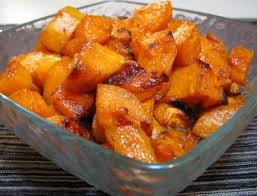 |
I like the classic chunks of sweet potato with
brown sugar--marshmallows optional. |
I opened this blog post with a description of the people you expect to see in a food pantry line...people who are ugly, disabled, smoking, in need of a handout. But I hope you see the pain that was in that car, too, and in every car that came through that day--about 400 cars in all in our impoverished community. Don't ever say to me that it's well-off moochers coming to the food pantry until you have spoken to the people in every car through the line.
I was especially interested in the food recipients because in the past year I heard comments from many people about the food "handouts" and about people who have "too nice of cars" to need food assistance; and fielded questions about how the recipients are screened to weed out "people who are just looking for a handout"; and heard one too many "why don't they get a job" statements.
 |
| Yum. Judy Graybill--are you eating them right now? |
First, let me back up. Under hero-director David Graham and his hero-volunteers, our largest local pantry (Methodist CARE Outreach) has, yes, gone to a drive-thru system. The young people I work with at my day job (and the program for which I was handing out flyers) actually helped convert a large aluminum carport into a drive through lane (they helped install a giant ventilation fan). No one has to park, get out of his car, take a cart around to gather food items, then return to her car to unpack it all into the trunk or back end of a vehicle.The drive through line has speeded up the distribution of food, but it also means that "regular" citizens (of course getting no public assistance--medicare anyone? home mortgage tax deductions anyone? Pell grants anyone?) driving along the streets can see exactly what each car in the food distribution line looks like.
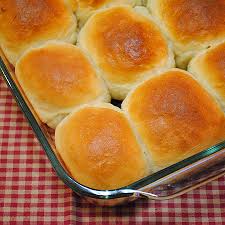 |
I always think of my Grandma Bessie
Dickerson when I eat yeast rolls. Thanks,
Robin, for carrying on the tradition. |
Second, let me back up. Probably some people are scamming the system for food. So what? So we don't feed hungry people? I would rather feed 20 undeserving people than for even one needy person to miss getting food. It's food. It's not gold. I can't judge someone who is cadging food. I know from my upbringing that free food is very hard to resist. Even when I am not needy and not hungry, I feel like I should grab some and stash it somewhere. My brain overrides this impulse most of the time, but it comes out in weird ways, such as the monstrous-huge collection of free pens I have from trade shows and such. When I die, they'll find 3,000 pens stashed in coffee mugs all over my house. Just saying, I am not in a position to critique anyone's behavior.
Plus, it's not gourmet. Canned vegetables. The apples a bit too ugly for Giant Eagle's beauty contest. Off-brand cereal that was left on the shelves for good reason. Sometimes something odd, like a 12-pack of spearmint gum or a 20-ounce bottle of artificially flavored maple syrup. That's the high reward of stealing from the food system. Better to stake out cars at Krogers!
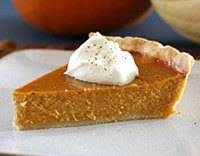 |
| Wait--I want more Cool Whip! |
"Well, if they can afford a Suburban, what are they doing getting a handout for food?"
Here's an answer. A lot of the people who qualify for the food distribution borrow a car. Or, a kind neighbor or family member drives them. Or, they share a car with other recipients. Or, a case worker, home health aid, or caregiver brings them. Regardless, each recipient has to show his or her card, which is verified by a volunteer. A colored strip is placed under the windshield wiper of each car to indicate how many allotments that car gets (a family of five gets more food than a person living alone, for example). Then the car proceeds through the drive-through's tunnel of food, where volunteers put the right amount of each item into the car. It's cool to watch--and, as I mentioned above, especially cool to see the respect and good cheer handed out with the food (I'm sure that adds to the food's nutritional value). If an allotment is two cans of corn, then a family with 5 allotments will get 10 cans of corn. That's how it works. By the time the car reaches the street, it is full and can motor off home.
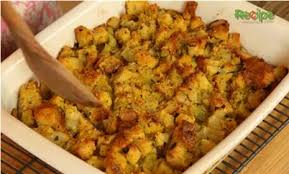 |
Moist, sticky, bready, with oysters, from a box or
hand made--love my stuffing. |
In addition, the cars may look good from the outside, but they are not running that well. The smell of gasoline and exhaust fumes indicated inefficiency. The windows don't go up and down anymore. The door is wired shut. Many cars had distinctive pings, rattles, rumbles, and ka-chunks. These were not great cars. I know. I was checking on that for you. The better cars were mostly those of volunteers taking people through the line.
Listen. The faces of people who need food have a type of strain to them that I learned to recognize when my day job started providing breakfast and lunch to participants. Hunger takes the humanity out of a human. You can't sing and be hungry. You can't learn and be hungry. It's hard to be courteous and be hungry. The general cheer of the recipients in the CARE food line is a tribute to each and every volunteer who helps to bring them food. They honor and dignify the suffering of each person as the food goes into the car.
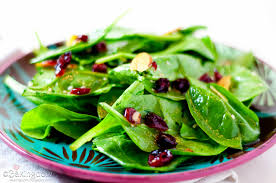 |
Salad? You served salad? What were you
thinking???? |
SIDEBAR: VOLUNTEER!
For most middle class and above people, the distribution of food to the poor happens outside our awareness. We don't see these people and sometimes we see them but invisibilize them. But, they are the least among us, as in "the least of these my brothers." Take a vacation day and volunteer at a food distribution in your community. You'll find out how it works, who gets food, who "those people" are. And I'm sure you'll be awed by the dedication of the people who serve regularly at the pantry. "Feed the hungry." It's a pretty clear message.
SIDEBAR: PLEASE COMMENT
Do you know of any other food banks who do a drive-through? I'm only familiar with the ones here in the county. Please add a comment to this posting if you know of other innovative strategies for making the food distribution respectful and expeditious.
